Table of Contents
As the school year wraps up, many students look forward to weeks filled with fun, freedom, and a break from academic routines. While a summer break is important for students to recharge, it can also lead to a phenomenon known as the "summer slide". Also referred to as summer learning loss, the summer setback, or summer brain drain, the summer slide is the decline in a child’s academic skills that occurs when school is not in session. Research suggests that students can lose up to three months of reading skills and a month of math skills over the summer break. This can mean students forget a lot of the information and knowledge they picked up during the school year.
The summer slide is not a trivial issue; it can lead to teachers needing to spend valuable time re-teaching content from the previous year when school resumes. Furthermore, children who experience summer learning loss may fall behind their peers who maintain their skills over the break. Concerns about students losing ground academically over the summer date back at least a century. While test scores on average tend to flatten or drop during the summer, with larger drops typically seen in math than reading, the good news is that preventing summer learning loss doesn't require turning your home into a classroom. Experts agree that setting aside just 15 to 30 minutes a day can help maintain and build skills. The key is to provide children with opportunities to continue practicing their skills and using their knowledge outside of the school environment.
Here are some ways parents can support students and prevent the summer slide:
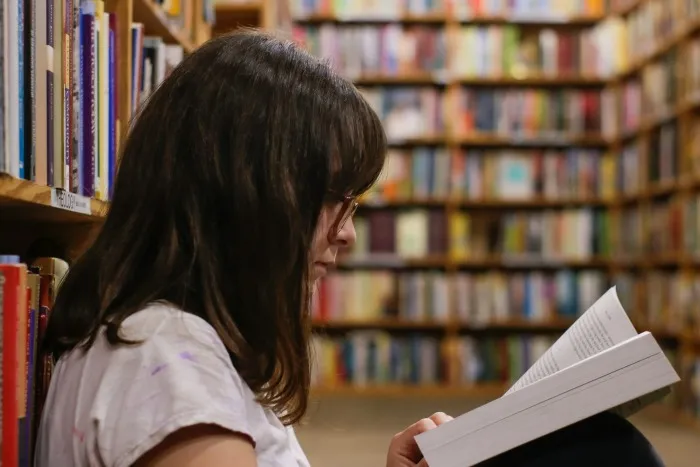
- Encourage Summer Reading: Introduce a summer reading program, whether it's a set amount of time each day or a goal to finish a certain number of books over the break. Let children pick books they are interested in, even if they aren't traditionally "academic". Modeling reading time yourself can encourage them. Many libraries offer summer reading programs with goals or prizes, and programs like the Scholastic Summer Reading program are open to participants to log reading and potentially win prizes. For students reading below grade level, reading together can help them with decoding and vocabulary. Keeping a tally of reading on a calendar can help keep track.
- Bring Math into the Real World: Math is often one of the subjects most affected by the summer slide. Find opportunities to practice math skills in everyday activities. Simple things like calculating discounts at the store, figuring out the cost per item in a deal, or calculating distances on a road trip can help. Cooking and baking are excellent ways to practice fractions, measurement, and scaling recipes. Games like Monopoly can involve keeping score or managing money. Working on just a few math problems daily, perhaps from a workbook, can also be effective. Consider books that feature math stories.
- Practice Writing and Language Skills: Keep children's writing skills sharp by having them keep a record of their summer vacation, such as a diary or weekly postcards describing their favorite activities. This challenges them to think of the right words and phrases for each experience. Encourage creative writing, asking them to write a paragraph about a vacation or memory. Review and build grammar skills using workbooks geared to their level. Learning and practicing affixes (prefixes and suffixes) can improve reading and spelling skills, which can be turned into a game using flashcards.
- Turn Activities into Learning Experiences: Summer offers many opportunities for learning outside the classroom. Visit educational places like museums, science centers, zoos, or national parks. Encourage engagement by asking open-ended questions about what they see. Getting outside in the garden can introduce science concepts (plants, animals) and offer opportunities for math problems (counting, area) or writing activities (stories about the garden ecosystem). Learning a new language, even basic phrases, can keep the brain active. Simple science experiments at home can be fun and educational. Using games like Scrabble can help with spelling and vocabulary.
- Set Goals and Schedule Time: Avoid the mindset that learning stops when school ends. Setting small, regular goals, like 15 minutes of daily practice, can help. Creating a simple weekly schedule with dedicated times for different subjects can prevent slipping out of routine. Focus on areas where your child struggled during the school year. Summer is an ideal time to dedicate even just 15-30 minutes a day to strengthening these specific skills.
- Consider Summer Tutoring: For students needing extra support, personalized tutoring is an option. Third Space Learning, for example, offers personalized online one-on-one math instruction over the summer.
To support summer learning, browse these free resources:
- Khan Academy: With practice exercises, instructional videos, and a personalized learning dashboard, Khan Academy empowers learners to study at their own pace, both in and out of the classroom. https://www.khanacademy.org/
- PBS Kids: Offers a large collection of learning resources that cover a wide variety of topics. https://pbskids.org/
- Third Space Learning Free Resources: Includes free math resources, topic guides, worksheets, games, activities, problems, questions, word problems, and a K-5 Math Vocabulary List. https://thirdspacelearning.com/us/math-resources/
- Mathematics Assessment Project (MARS Tasks): Provides lessons and tasks for middle and high school math. https://www.map.mathshell.org/
- The Math Learning Center: Provides free tools, applications, and lessons for K-5 math. https://www.mathlearningcenter.org/
- HMH: Provides sets of math lessons with engaging activities for grades K-8. https://www.hmhco.com/blog/free-learning-resources
Working to prevent the summer slide doesn't mean depriving children of their summer fun. Little and often is the way to go. By incorporating learning into summer activities, you can help children return to school ready for the year ahead, with a spring in their step and no gaps in their knowledge.